Sustainable wedding fashion in India generally means choosing handloom or handwoven fabrics over synthetic power-loom alternatives, considering rental or pre-loved options for one-time outfits, and planning a post-wedding life for pieces rather than letting them sit unworn. None of this requires giving up on a traditional, grand bridal look - it mostly changes which fabric, source, and ownership model you choose.
Key Takeaways
- Handloom fabrics like Banarasi, Kanjeevaram, Chanderi, and Khadi silk support artisan communities and are a genuinely lower-impact choice over mass-produced synthetics.
- Natural dyes such as indigo, madder root, and turmeric produce traditional bridal colours without chemical dye runoff.
- Renting or buying pre-loved outfits for one-time functions (sangeet, reception) reduces waste without reducing glamour.
- Restyling a family heirloom saree or lehenga is often the most sustainable and sentimentally meaningful option available.
- Our shopping assistance and personal shopper teams can help identify genuine handloom sources rather than machine-made imitations.
Why This Is Worth Thinking About
A heavily embroidered wedding lehenga can use a significant length of fabric and many hours of handwork, and multi-day weddings often involve several separate outfits across functions. Multiplied across guests and family members, the overall footprint of a wedding wardrobe adds up quickly. Sustainable bridal fashion isn't about doing less - it's about being more deliberate with fabric choice, sourcing, and what happens to the outfit afterwards.
Handloom & Handwoven Fabrics
Choosing handwoven fabric over power-loom supports artisan communities directly and tends to hold up better over decades, which matters if you intend the outfit to become a future heirloom.
- Banarasi silk: Hand-woven in Varanasi with real zari - a timeless bridal choice
- Kanjeevaram silk: Look for GI-tagged handloom versions from Kanchipuram weavers
- Chanderi: Lightweight and semi-sheer, well suited to sangeet or reception outfits
- Khadi silk: Hand-spun, with a distinct texture reimagined by several contemporary designers
- Jamdani: Delicate muslin weaving from Bengal, ideal for lighter ceremonies
- Tussar silk: A wild silk variety that doesn't require killing the silkworm, unlike conventional mulberry silk
Designers Working With Handloom
Anavila, Raw Mango, Rahul Mishra, Pero, and Ka-Sha are among the designers known for handloom-based or low-waste bridal and occasion wear. Our personal shopping team can arrange visits to weaver co-operatives and handloom exhibitions in cities like Delhi, Mumbai, and Bengaluru if you'd rather buy closer to source.
Natural & Plant-Based Dyes
Chemical-free doesn't mean colour-restricted - natural dyes produce some of the richest traditional bridal hues:
- Indigo: Deep blues that age well rather than fading unevenly
- Madder root: Warm reds and terracotta, close to traditional bridal red
- Turmeric: Vibrant yellows, fittingly used for the haldi ceremony itself
- Pomegranate rind: Earthy ochres and warm yellows
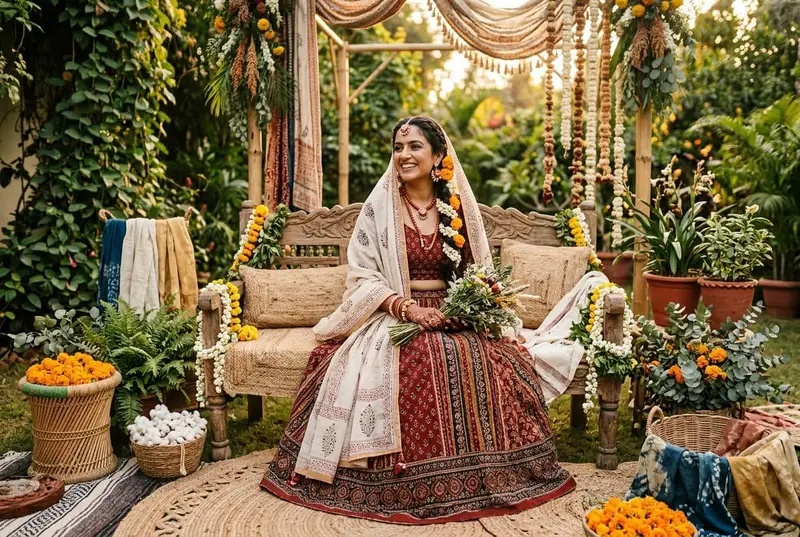
- Ajrakh block printing from Kutch, Gujarat, is a long-practised natural-dye craft worth considering for a dupatta or lighter function outfit
The Heirloom Route
Wearing a family heirloom is arguably the most sustainable choice available, since no new fabric or dye is required at all.
- Have a modern blouse stitched to update a mother's or grandmother's saree
- A vintage Banarasi is often more finely woven than a comparable new piece
- Wear the heirloom for the main ceremony and a new outfit for the reception
- A skilled tailor can adjust an older lehenga to fit properly rather than needing a full new construction
- Coordinating your mother's saree in a complementary tone creates a natural generational thread through wedding photographs
Renting and Pre-Loved Options
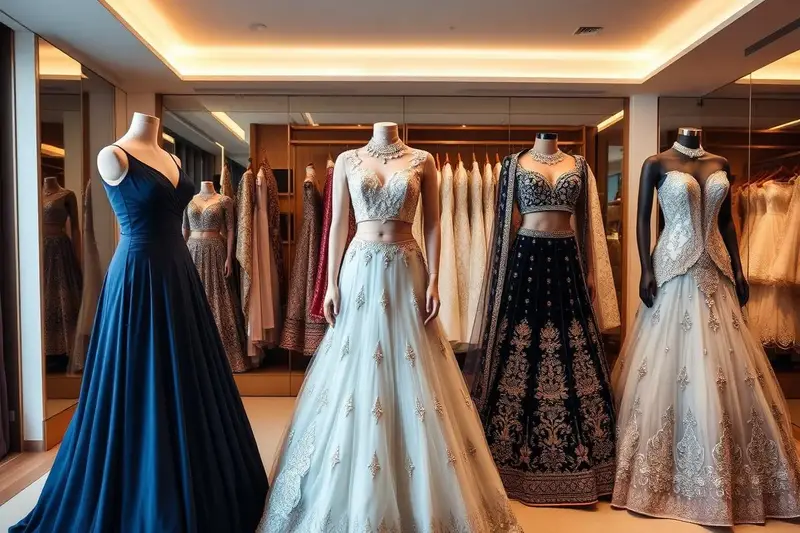
For outfits worn only once - a sangeet lehenga, a cocktail gown - renting or buying pre-loved pieces is a practical way to reduce waste without spending on something that will sit in a cupboard afterwards. Several Indian rental platforms now offer designer bridal and occasion wear, and pre-loved resale communities give access to discontinued collections at a fraction of retail. If you go this route, budget time for a proper trial and any minor alteration, since rental sizing tends to run in fixed increments rather than made-to-measure.
Ethical Jewellery Choices
Sustainability considerations extend to jewellery as well:
- Lab-grown diamonds are chemically identical to mined diamonds and typically cost less
- Recycled gold settings are now offered by a number of jewellers
- Heirloom pieces can be restyled into a more contemporary setting rather than replaced outright
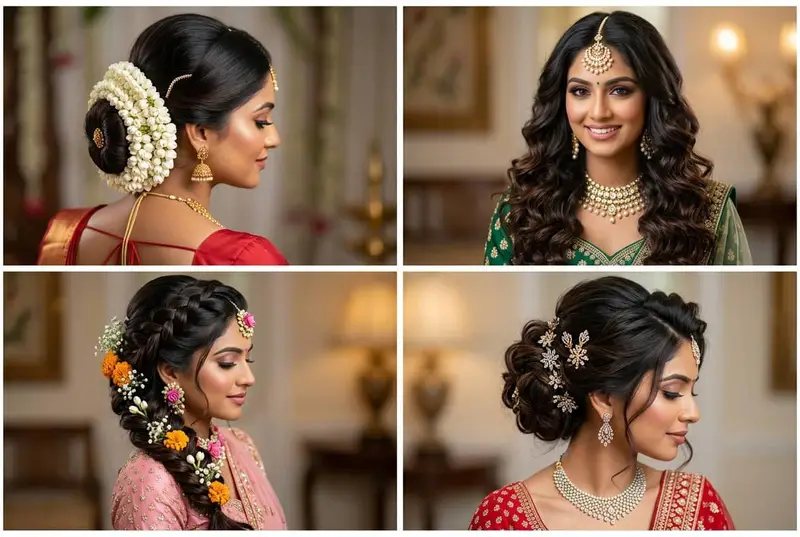
- Biodegradable floral jewellery - marigold, jasmine, rose - suits haldi and mehendi functions well and needs no long-term storage afterwards
Building a Lower-Impact Bridal Wardrobe
- Audit how many outfits you genuinely need rather than defaulting to one per function automatically
- Mix handloom pieces for some functions with a single designer piece reserved for the main ceremony
- Choose colours and silhouettes versatile enough to be re-worn for other family occasions afterwards
- Consider a well-altered pre-loved or heirloom piece over a new one that fits poorly
- Plan ahead for what happens to each outfit after the wedding - gifting, donating, or listing it for resale
Our bridal styling team can help sequence which functions are best suited to handloom, heirloom, or rental pieces so the overall wardrobe stays cohesive rather than mismatched.