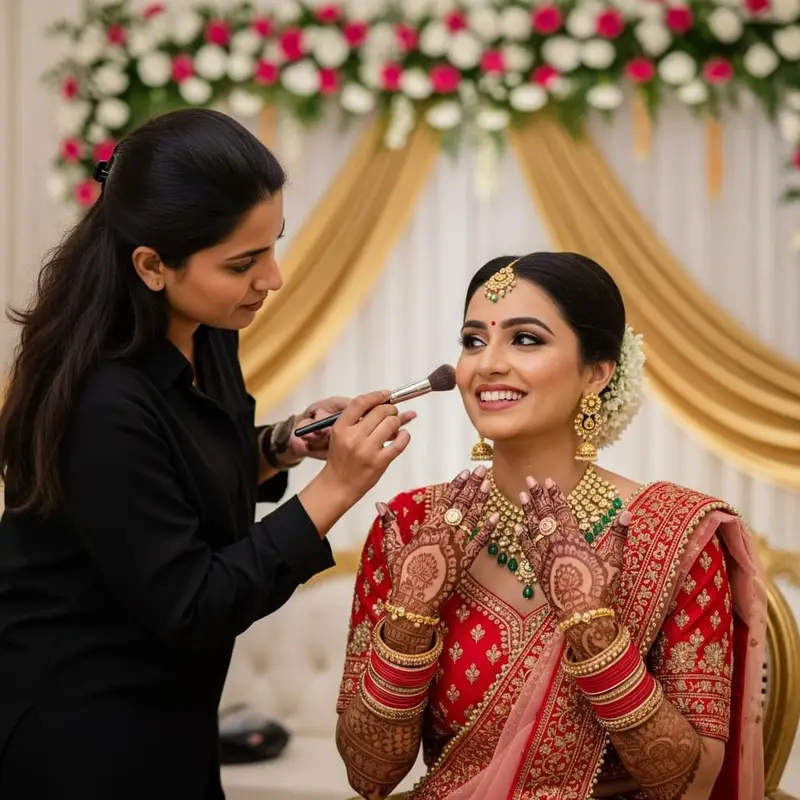
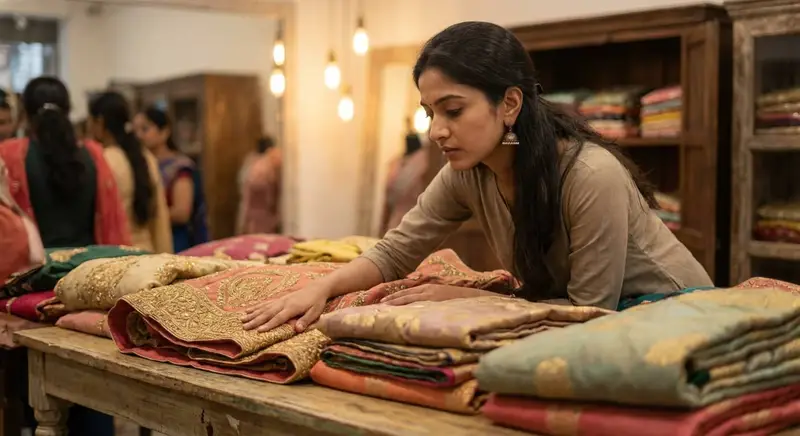
The Indian wedding industry generates enormous textile waste - from one-time-wear lehengas to synthetic embellishments that end up in landfills. But a growing wave of conscious brides is proving that you can look stunning while making sustainable choices.
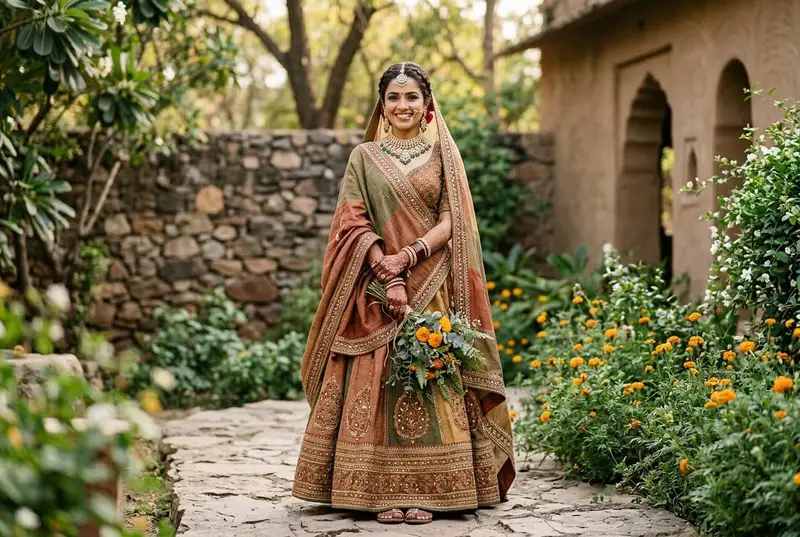
This guide covers every way to make your bridal wardrobe more sustainable - without compromising on beauty, tradition, or that picture-perfect wedding look.
Why Go Eco-Friendly?
A typical Indian wedding outfit uses 10-15 metres of fabric, often synthetic. Multiply that across 5-7 functions, and the environmental footprint is significant. Sustainable bridal fashion isn't about sacrifice - it's about smarter, more meaningful choices.
The impact:
- Synthetic fabrics take 200+ years to decompose
- Chemical dyes pollute waterways in textile-producing regions
- Fast fashion wedding wear is worn once and discarded
- Supporting handloom preserves India's incredible textile heritage
Sustainable Fabric Options
Handloom & Handwoven Fabrics
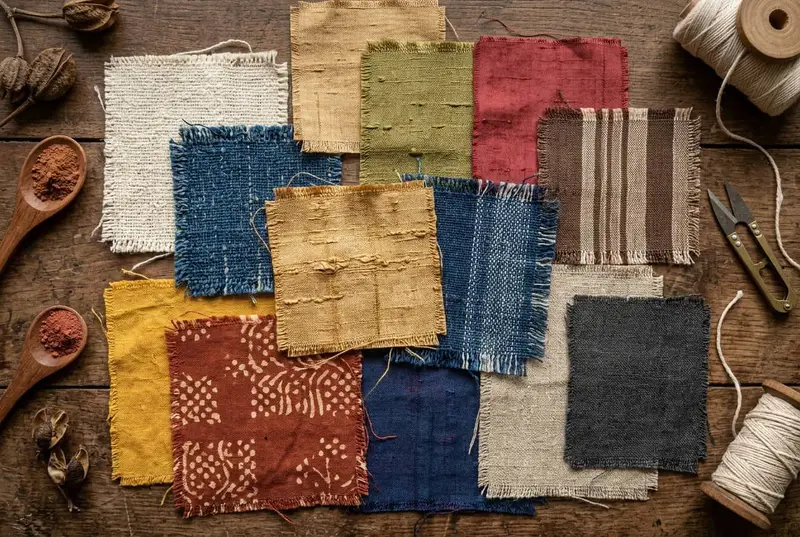
India has one of the world's richest handloom traditions. Choosing handwoven fabric supports artisan communities and reduces industrial pollution.
- Chanderi silk: Lightweight, elegant, perfect for reception outfits
- Maheshwari cotton-silk: Beautiful drape, eco-friendly production
- Khadi silk: Gandhian heritage, gorgeous texture, completely handspun
- Tussar silk: Wild silk that doesn't harm silkworms - ethically produced
Natural Dyes
Instead of chemical dyes, choose fabrics coloured with:
- Indigo: Deep blues that age beautifully
- Madder root: Rich reds and pinks - perfect for traditional bridal colours
- Turmeric: Warm yellows and golds
- Pomegranate: Earthy ochres and olive tones
The Heirloom Route
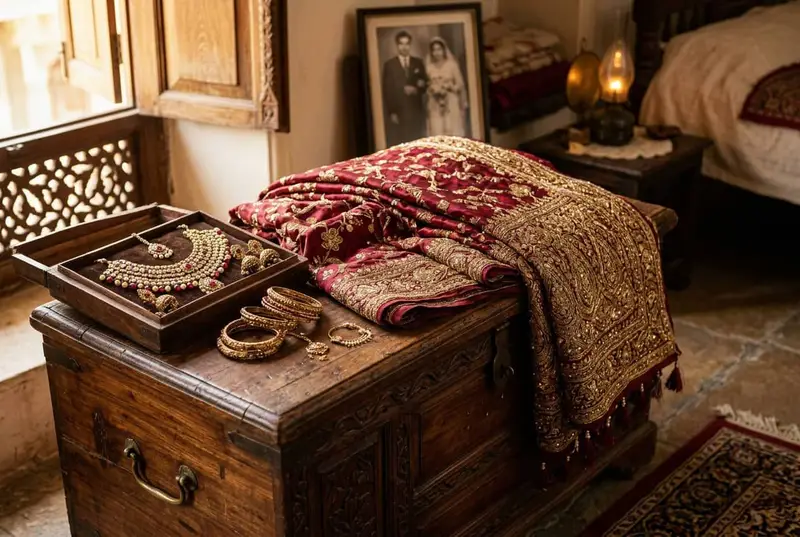
Wearing a family heirloom is the ultimate sustainable choice - and one of the most emotionally meaningful.
How to Restyle an Heirloom
- Mother's or grandmother's saree: Have a modern blouse stitched to update the look
- Vintage Banarasi: Often more exquisite than new ones - the weaving quality of older pieces is unmatched
- Mix old and new: Wear the heirloom saree for the ceremony and a new outfit for the reception
- Alterations: A skilled tailor can adjust a vintage lehenga to fit perfectly
- Coordinate with family outfits: Your mother wearing a complementary heirloom creates a beautiful generational connection
Supporting Artisan Communities
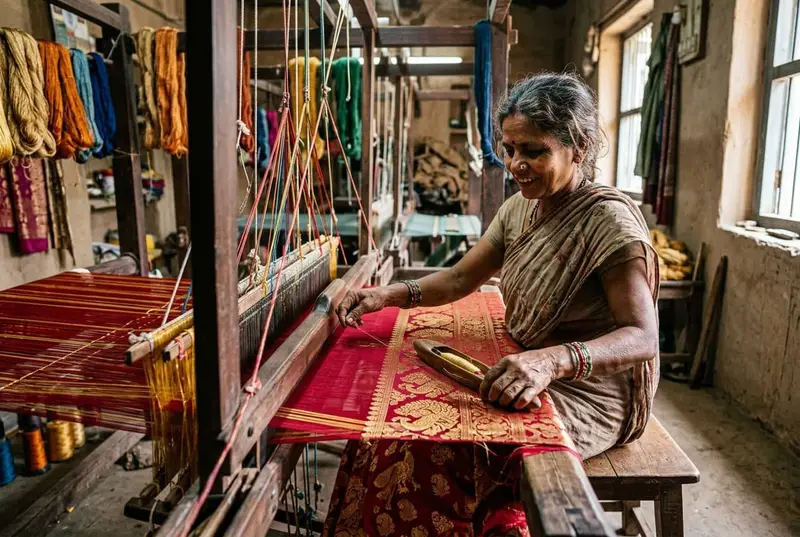
When you choose handloom, you support:
- Over 4 million weaver families across India
- Traditional techniques like Jamdani, Ikat, and Patola that are UNESCO-recognized
- Rural economies in states like West Bengal, Odisha, Varanasi, and Kanchipuram
- The preservation of India's 5,000+ year textile heritage
Where to Find Artisan Bridal Wear
- Designers: Anavila, Gaurang Shah, Raw Mango, Pero, Grassroot by Anita Dongre
- Government emporiums: State-run handloom stores in every major city
- Online platforms: Okhai, GoCoop, iTokri - direct from artisan cooperatives
- Our shopping assistance team can connect you with sustainable designers
Sustainable Styling Choices
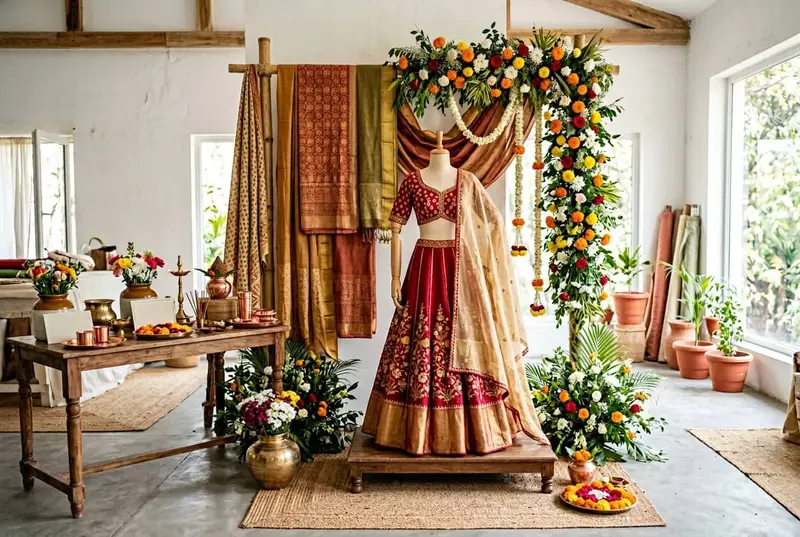
Rent Instead of Buy
For functions beyond the main ceremony, renting is a brilliant eco-friendly option:
- Sangeet outfits, cocktail gowns, and reception lehengas are perfect for renting
- Platforms like Flyrobe, Stage3, and The Clothing Rental offer designer options
- Read our jewelry buying vs renting guide
Upcycle & Restyle
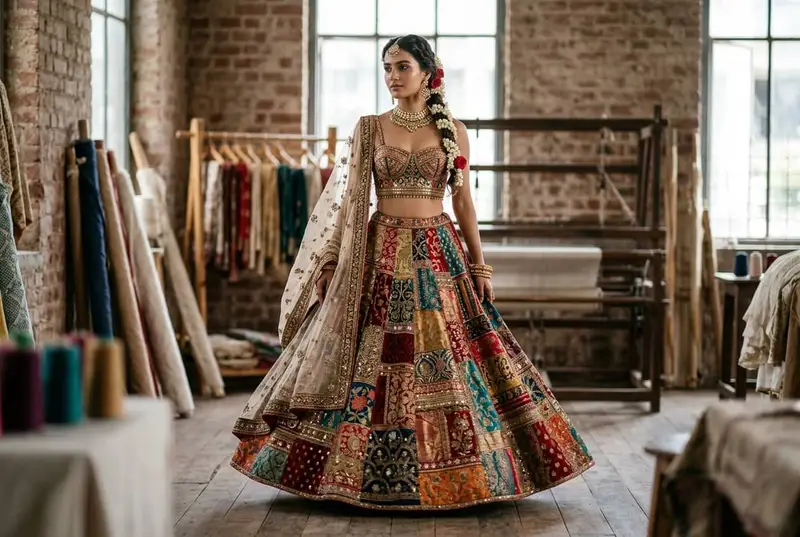
- Post-wedding repurposing: Plan upfront how you'll reuse your lehenga - as separates, a cocktail skirt, or cushion covers
- Pre-owned designer wear: Buy pre-loved designer lehengas at 40-60% off
- Restyle older outfits: Transform a sister's or cousin's wedding outfit with new embellishments
- Donate after: Pass your bridal outfit forward to someone who'll cherish it
Floral & Biodegradable Accessories
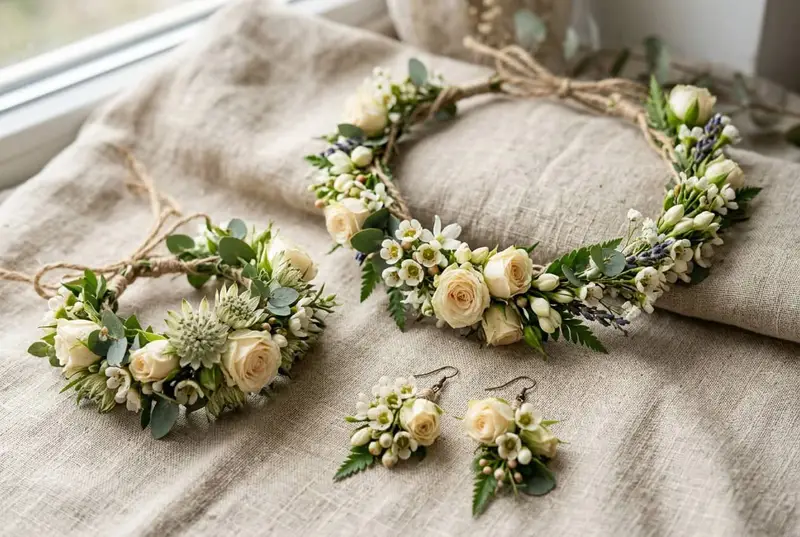
- Mehendi flowers: Fresh mogra (jasmine) jewelry for haldi and mehendi functions
- Biodegradable elements: Natural fiber dupattas, jute potlis, real flower garlands
- Wooden or bone accessories: Traditional alternatives to plastic embellishments
Eco-Friendly Bridal Beauty
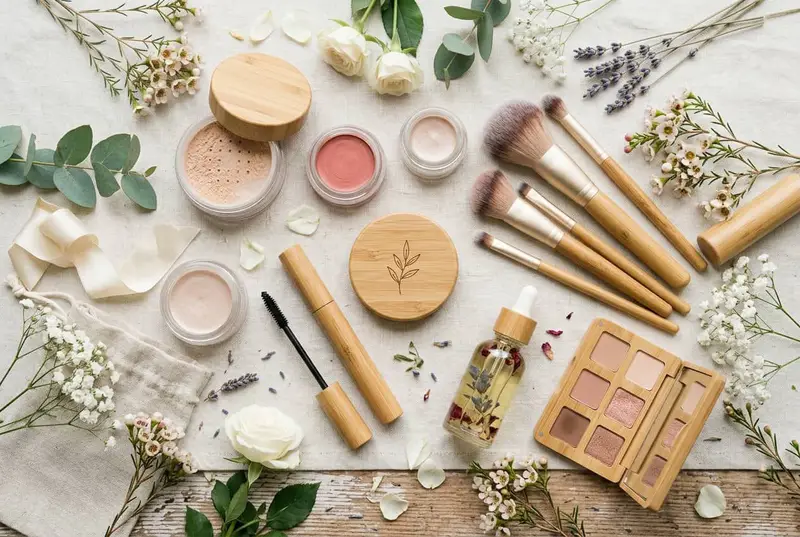
Your sustainability journey extends beyond clothes:
- Natural makeup brands: Forest Essentials, Kama Ayurveda, RAS Luxury Oils
- Minimal packaging: Choose brands that use recyclable or minimal packaging
- Herbal preparations: Traditional ubtan, multani mitti face masks, and coconut oil treatments
- Coordinate with your makeup and outfit plan for a cohesive natural look
Making It Work Within Budget
Sustainable choices often save money:
- Handloom vs designer: Handwoven sarees can cost 30-50% less than heavily embellished synthetic lehengas
- Heirloom = free: Restyling a family piece costs only the blouse and minor alterations
- Rental savings: Renting 3-4 function outfits saves ₹50,000-₹2,00,000
- Check our budget wedding shopping guide for more savings strategies
FAQs
Can a sustainable bridal outfit look as grand as a traditional one?
Absolutely. Handloom silks like Banarasi and Kanjeevaram are among the most luxurious fabrics in the world. Natural dyes create rich, deep colours that synthetic dyes struggle to replicate. The key is choosing the right fabric and working with a designer who understands sustainable luxury.
Is it safe to wear a vintage heirloom saree that's been stored for decades?
Yes, with proper preparation. Have the saree professionally dry-cleaned, check for any weak spots in the fabric, and do a gentle steam press. Older silks are often of superior quality and become more beautiful with age.
How do I find sustainable designers for my bridal outfit?
Look for designers who mention handloom, handwoven, or natural dyes in their collections. Ask about fabric sourcing, artisan partnerships, and production methods. Our personal shopper service can curate sustainable options from trusted designers.
Can I mix sustainable and conventional pieces across functions?
Definitely - that's the most practical approach. Wear a sustainable handloom saree for the ceremony, rent a glamorous lehenga for the reception, and choose heirloom jewelry. Every sustainable choice counts.
Will my eco-friendly outfit photograph well?
Handloom fabrics have beautiful texture and depth that photograph gorgeously - often better than synthetic fabrics that can look flat or shiny in photos. Natural dyes have a richness that camera sensors capture beautifully.
Ready to plan your sustainable bridal wardrobe? Book a free consultation with StyleBuddy Weddings →
Explore our complete bridal lehenga guide or read about coordinating your bridal outfit with your mother's.
StyleBuddy Weddings is India's leading wedding styling service. From bridal styling and wardrobe planning to virtual styling for NRI brides - we make wedding fashion effortless.