Your wedding invitation is usually the first thing guests see, and in Indian weddings it also signals the ceremonies they're expected at, the dress code, and sometimes even the wedding's overall visual theme. Getting the format, wording, and timeline right avoids the last-minute scramble that comes from ordering too late or realising halfway through printing that the wording doesn't match the actual ceremony sequence.
Choosing a Format
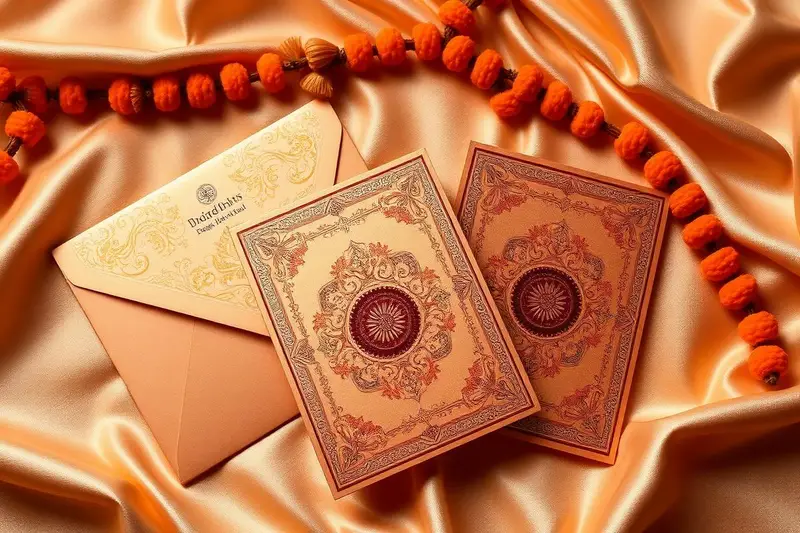
Traditional Printed Cards
Still the default for formal Indian weddings, with a few common styles:
- Scroll invitations - rolled into decorative tubes, common for palace or heritage-venue weddings
- Box invitations - the card arrives with mithai or dry fruits inside
- Multi-insert cards - a separate card for each function (mehendi, sangeet, wedding, reception), useful when not every guest is invited to every event
- Laser-cut designs - intricate cut patterns, typically in gold, ivory, or maroon card stock
Digital Invitations
More common than a few years ago, largely for practical reasons:
- Video invitations - short animated save-the-dates, often shared over WhatsApp
- Single-image or PDF invites - easy to forward without losing quality
- Wedding websites - one place for venue maps, schedules, and dress codes, useful when guests keep asking the same logistics questions
- E-invites with RSVP tracking - useful for headcounts that feed directly into catering numbers
A Hybrid Approach
Most families now split by guest category rather than picking one format for everyone: physical cards for close family and elders, digital invites for friends and colleagues, and a wedding website as the single source of truth for logistics for everyone.
Wording by Ceremony Type
Traditional Hindu Format
- Host names (usually parents) listed at the top
- A religious invocation - Om, Ganesh, or a short mantra line
- Couple's names followed by ceremony details
- Venue, date, and time listed separately for each function
- RSVP contact details
Muslim Wedding (Nikah) Invitation
- Opens with "Bismillah ir-Rahman ir-Rahim"
- Often includes a short Quranic verse
- Walima (reception) details are usually printed as a separate insert rather than combined with the nikah card
Sikh Wedding (Anand Karaj) Invitation
- The "Ek Onkar" symbol at the top
- Gurdwara name, address, and ceremony timing clearly stated
- Langar (community meal) details, since this is open to a wider circle than the ceremony itself
Modern Format
- Both families listed jointly as hosts, rather than one side only
- A short personal note from the couple
- A minimal layout with a QR code linking to the wedding website for full details
Choosing a Colour and Design Direction
Your invitation is a preview of your wedding's visual identity, so it's worth deciding this before ordering:
- Red and gold - the traditional choice, works across most North Indian formats
- Ivory and blush - suits a modern, pastel-themed wedding
- Royal blue and gold - common for palace or heritage destination weddings
- Green and copper - fits an eco-conscious or outdoor wedding aesthetic
- Custom motifs - some couples work the venue's architecture (a jharokha outline, a temple silhouette) into the card design
Invitation Timeline
| Task | Timeline |
|---|---|
| Finalise design concept | 4-5 months before |
| Approve artwork and wording | 3-4 months before |
| Print production | 3 months before |
| Address and assemble | 2.5 months before |
| Distribute to local guests | 2 months before |
| Mail to outstation guests | 6-8 weeks before |
| Send digital invites | 4-6 weeks before |
| Follow up on pending RSVPs | 2-3 weeks before |
Rough Budget Ranges
- Basic printed cards: ₹30-80 per card
- Premium printed cards: ₹150-500 per card
- Luxury box invitations: ₹500-2,000+ per card
- Digital video invitations: ₹5,000-25,000 (one-time production cost)
Letting Your Invitation Inform Your Outfit Planning
This connection is easy to miss but useful once you see it:
- The invitation's colour palette can guide outfit colour coordination between the couple and their families
- If your card carries a specific embroidery motif, it can sometimes be echoed on the bridal outfit or the mandap decor for visual consistency
- Whatever aesthetic direction you pick - traditional, modern, minimal - is worth carrying through consistently from the invite to the wardrobe planning for the wedding itself
Planning your wedding look alongside your invitations? Plan your wedding looks → for styling that works with your existing wedding theme.
Coordinating Invitations Across Multiple Functions
If you're hosting a multi-day wedding, your invitation strategy should mirror your event structure rather than treat every function identically. A mehendi held only for close family and a reception open to a wider circle often warrant separate cards or at least separate inserts, so guests aren't confused about which events they're invited to. Our 3-day wedding timeline guide is a useful reference if you're still finalising which functions to combine or keep separate, since that decision affects your invitation format before it affects anything else.
Common Wording Mistakes to Avoid
- Listing a venue name without the full address or a map link, which creates unnecessary confusion for outstation guests
- Forgetting to specify a dress code when one exists, especially for theme-based sangeet nights
- Missing a clear RSVP deadline, which makes final catering headcounts difficult to lock down in time
- Inconsistent time formats between the printed card and the digital invite or wedding website, which happens more often than expected when multiple people are updating different versions
Printing and Vendor Selection Tips
When shortlisting a printer or designer, ask to see actual paper samples rather than just digital mockups - card stock weight and finish (matte versus glossy, laser-cut versus flat print) affect both cost and how premium the invitation feels in hand. Also confirm the full production timeline including any proof-approval rounds, since a single wording correction cycle can add a week or more if you've left printing until the last possible month.