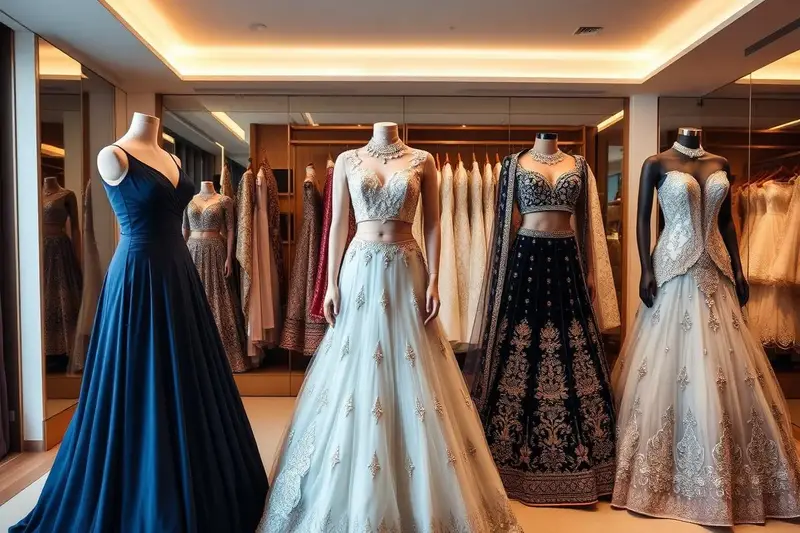
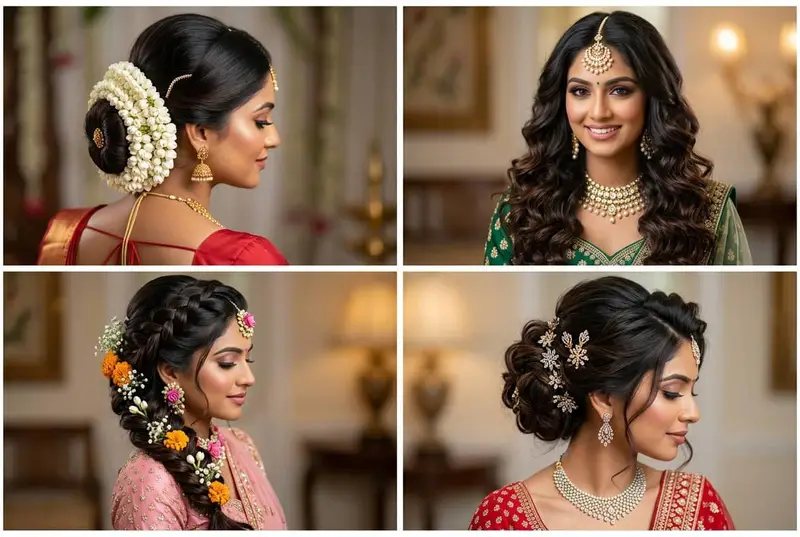
Bridesmaids look best styled as a group that relates to the bride rather than a group that matches. Choose a palette of two or three tones that sit beside the bride's outfit without competing, keep the formality level consistent, and allow different silhouettes so each person is comfortable. Fix the palette and formality; leave the shape to them.
Key Takeaways
- Set a palette and a formality level, not a uniform.
- Mixed silhouettes in one palette photograph better than identical outfits.
- The bride should remain the brightest or most embellished point in the frame.
- Budgets differ within a group; keep the brief achievable for everyone.
- Comfort matters most at the sangeet and during long ceremonies.
Building the Palette
Start from the bride's outfit for that function, then place the group nearby without crowding it.
| Bride's outfit | Bridesmaid palette that works | Why |
|---|---|---|
| Red or maroon | Champagne, dusty rose, deep green | Warm neighbours without competing |
| Pastel pink or lilac | Ivory, sage, powder blue | Keeps the softness, adds separation |
| Ivory and gold | Terracotta, olive, muted teal | Gives the bride the lightest point |
| Deep green or teal | Gold, rust, blush | Contrast that stays in the same depth |
| Bold fuchsia | Mustard, ivory, deep blue | Strong colours held apart |
Mixing Silhouettes Without Losing Cohesion
Within one palette, a group can wear lehengas, sarees, shararas, anarkalis, co-ord sets and gowns and still look intentional. What holds it together is:
- One embellishment level across the group
- A shared metallic accent - all gold or all silver
- Similar fabric weight, so nothing looks under-dressed
- Similar hair and jewellery scale, rather than identical styling
Function-by-Function Notes
- Mehendi. Sleeves that stay clear of henna, and light fabric for daytime heat.
- Haldi. Outfits everyone is willing to stain; see our haldi outfit guide.
- Sangeet. Movement first - the group is usually performing. Secure blouses, tested footwear, no trailing dupattas.
- Main ceremony. Longer, more covered looks, and something comfortable to sit in for a long time.
- Reception. The one function where gowns and Indo-western pieces work easily.
Budget and Group Practicalities
Budgets within a bridal party usually vary. What works is fixing the palette and formality and leaving the sourcing open, so people can buy, rent, rework something they own, or have something tailored locally. Share reference images rather than exact products, and set one clear deadline for fittings and alterations. If the group is spread across cities or countries, agree the palette early and let each person shop locally.
Keeping the Focus on the Bride
Practical ways to keep the group supportive rather than competing:
- Keep the heaviest embellishment on the bride's outfit.
- Avoid the exact shade of the bride's outfit next to her.
- Keep bridesmaid jewellery one scale smaller.
- Match veils, long trains and large dupattas to the bride only.
Our couple coordination guide and family styling guide apply the same thinking to the couple and the wider family, and family wedding styling coordinates larger groups. For the bride's own looks, bridal styling starts from the function list.
A Brief You Can Actually Send
Keep the instructions short enough that everyone follows them:
- The palette - two or three named tones, with reference images.
- The formality level for each function.
- One metallic direction, gold or silver, for jewellery and embellishment.
- Anything reserved for the bride - a specific shade, a veil, a long train.
- The date fittings and alterations must be finished by.
- What is open: silhouette, fabric, where and how they source it.
Hair, Jewellery and Footwear Across the Group
The group reads as coordinated when the scale of styling is consistent rather than identical. Keep jewellery one size smaller than the bride's, agree roughly on hair - all pulled back, or all open - and make sure everyone's footwear has been worn in before the sangeet. Where the group is performing, secure blouses and pinned dupattas matter more than any styling decision.
Handling Disagreements Early
Most bridal party friction comes from late instructions or a brief that assumes everyone can spend the same amount. Sending the palette and the deadline early, keeping sourcing open, and accepting that one person may want a saree where the others want lehengas usually resolves it before it becomes a conversation on the wedding morning.
Coordinating a bridal party across functions? Plan My Wedding Looks and we'll set the palette with you.