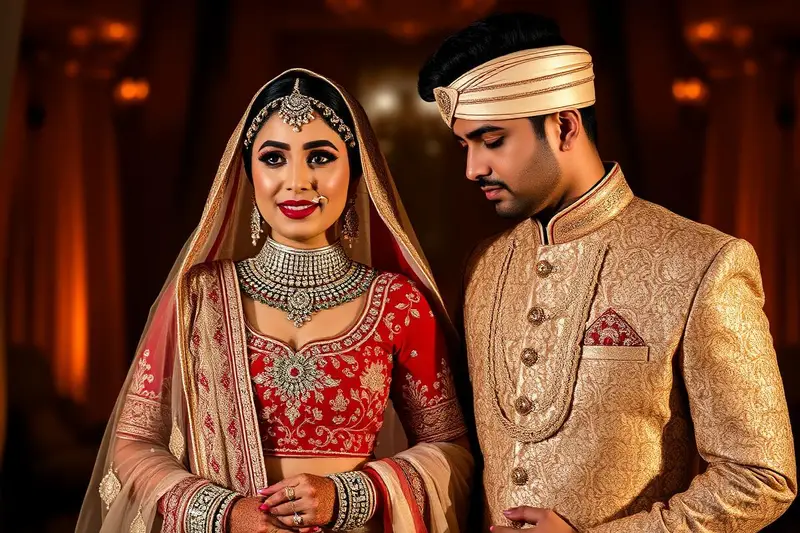
The mother of the bride is often the most photographed person at an Indian wedding after the couple, which makes her outfit worth as much planning as anyone else's wardrobe. The core principle across every function is the same: complement the bride's palette in a different, usually deeper shade, choose fabrics she can comfortably wear through long rituals, and finalise her outfit only after the bride's is locked in.
Key Takeaways
- Finalise the mother's outfits after the bride's, so colours complement rather than accidentally clash.
- A tonal or contrasting shade from the same colour family as the bride's outfit usually works better than the identical colour.
- Match embellishment level to the event - lighter for mehendi and haldi, richest for the ceremony.
- Coordinate the two mothers with each other too, keeping them at the same formality level in different colour families.
- Start shopping at least two to three months ahead to allow for blouse tailoring and alterations.
Why Mother of the Bride Styling Matters
She's greeting guests, participating in rituals, and standing beside the bride in countless photographs across a physically demanding multi-day event. Her outfit needs to complement the bride without competing, suit her comfort level, and reflect the family's cultural traditions.
Event-Wise Outfit Guide
Mehendi & Haldi
An Anarkali suit in cheerful yellows, greens or florals, or a sharara set for a trendier but still age-appropriate look. Lightweight fabrics matter here since she'll be on her feet for hours, and jewellery should stay minimal, saving heavier sets for the ceremony.
Sangeet & Cocktail
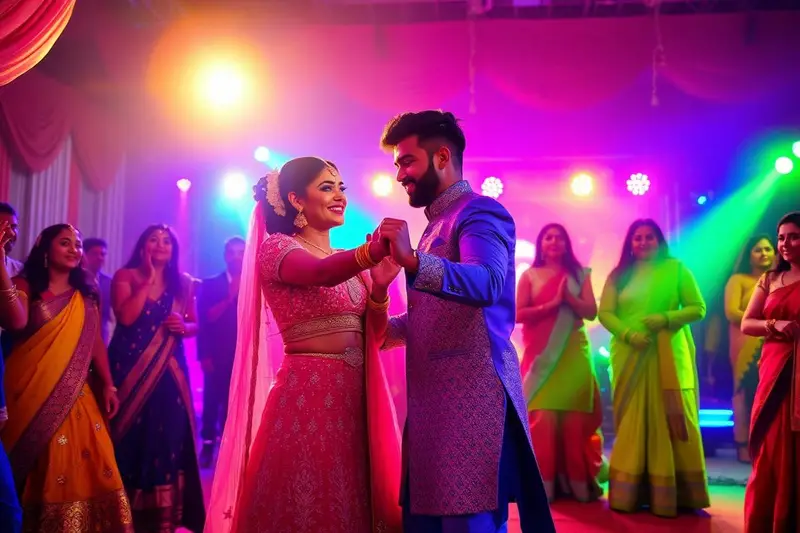
A designer saree in rich jewel tones - emerald, royal blue, wine - or an embroidered lehenga for a more contemporary feel. Statement jewellery works well here (a kundan or polki set), paired with heels comfortable enough to dance in.
Wedding Ceremony
A Kanjeevaram or Banarasi saree for traditional elegance is the classic choice. If the bride is in red, the mother is better placed in gold, deep green or maroon rather than the same red family. This is also where the heaviest jewellery and a pallu drape that holds through rituals matter most.
Reception
A pre-draped or concept saree offers effortless glamour, in pastel or metallic tones for evening elegance.
Colour Coordination with the Bride
| Bride's Outfit | Mother's Best Options | Avoid |
|---|---|---|
| Red/Maroon lehenga | Gold, emerald, navy | Same shade of red |
| Pastel pink/peach | Deep teal, wine, forest green | Light pink or peach |
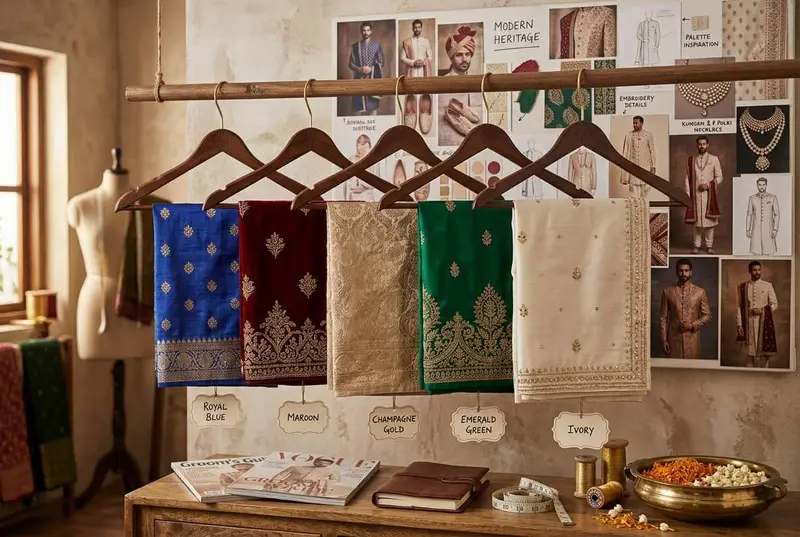
| Ivory/White gown | Royal blue, champagne gold, deep purple | White or cream |
| Multi-colour | One complementary accent colour | Matching the same pattern |
The mother of the bride should shop after the bride's outfit is finalised - a tonal shade in the same colour family works better than trying to match after the fact. Bringing a fabric swatch of the bride's lehenga along on the mother's shopping trip removes most of the guesswork.
Coordinating with the Mother-in-Law
Both mothers should be dressed at the same formality level without either outshining the other, and should generally sit in different colour families - if the bride's mother wears maroon, the groom's mother might choose teal or emerald. Sharing outfit photos between the two families (or through a stylist) before finalising avoids an accidental clash on the day. In many communities the mother of the bride traditionally leans towards a specific colour - green in some Marwari weddings, purple or magenta in some Punjabi celebrations - and it's worth checking family convention before settling on a palette.
Fabric and Embellishment Guide
- Silk sarees are timeless and suit most age groups and body types
- Brocade adds sophistication without excess weight
- Chiffon with embroidery is lightweight enough for all-day wear
- Velvet works beautifully in jewel tones for winter weddings
The general rule on embellishment is to stay a notch below the bride - if the bride's lehenga has zardozi, the mother's saree can carry lighter zari work in the same style family rather than matching it exactly.
Jewellery Coordination
The mother's jewellery should complement the bride's without competing - staying within the same metal family (gold with gold, not gold next to silver), layering less than the bride does, and possibly incorporating a family heirloom piece, which fits naturally into this occasion. Our bridal jewellery guide covers pairing principles that apply here too.
The Getting-Ready Moment
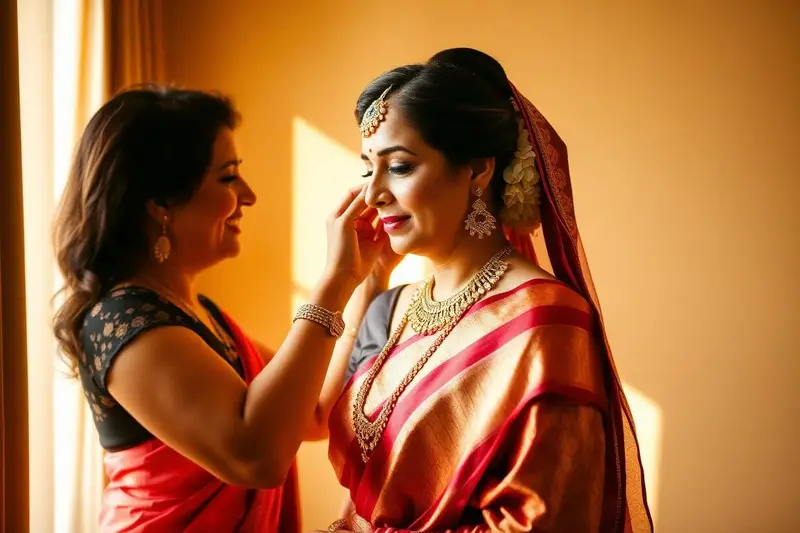
The mother's involvement doesn't end with outfit selection - the getting-ready window before the ceremony is often one of the most photographed and emotional parts of the day, and it's worth planning for deliberately. Scheduling some overlapping time between the bride's and mother's hair and makeup sessions, briefing the photographer to capture the moment the mother sees the bride fully dressed, and choosing coordinated (though simple) robes or kurtas for the pre-ceremony hours all add up to a more complete visual story than treating the mother's look as separate from the bride's morning.
Saree vs Lehenga for the Mother of the Bride
A saree suits mothers comfortable with draping and pallu management, traditional-style weddings, and ceremonies that involve a lot of ritual movement. A lehenga suits a more contemporary look, mothers who find a saree physically demanding for a long event, or destination-style weddings. A pre-draped saree is a useful middle ground - it keeps the saree aesthetic with the convenience of a stitched garment.
Body Type Guide
Petite Frame
A-line lehengas, straight-cut saree draping and vertical embroidery work well; very heavy fabrics and oversized jewellery can overwhelm a smaller frame.
Curvy Frame
Well-fitted blouses, structured silhouettes and dark solids with accent embroidery are flattering; clingy fabrics and very wide borders are worth approaching carefully.
Tall Frame
Floor-length Anarkalis, wide-border sarees and statement dupattas suit taller frames well; very short blouses can look disproportionate.
Shopping Guide
Working with a wedding personal shopper helps pre-select outfits based on body type and the agreed colour palette, navigate markets efficiently, and coordinate the mother's purchases with the bride's timeline. For mothers based abroad, an online wedding stylist can run the same process through virtual consultations.
Common Mistakes in Mother of the Bride Styling
- Outshining the bride - the outfit should complement, not compete
- Uncomfortable footwear for a day spent mostly standing
- Ignoring the venue's climate - a heavy Banarasi at a beach wedding is a genuine discomfort
- Leaving shopping too late for proper blouse tailoring and alterations
- Mismatched accessories undoing an otherwise well-chosen outfit
Our family wedding styling service plans the mother's wardrobe alongside the bride's and groom's so the palette holds together across every function. Get in touch to plan a complete look for every event.